Standardizing Deliverables Across 50+ Active Network Sponsors
How top media networks structure deliverable pacing so sales, account leads, and producers stay aligned.

Key Takeaways
- ✓Standardizing deliverable states eliminates ambiguity between producers and account leads.
- ✓Role-gated access keeps deal terms and net payouts private from non-admin team members and external partners.
- ✓Dual Master Kanban and Calendar views provide both operational step tracking and flight schedule pacing.
The complexity scale of network ad ops
Managing 50 active brand sponsors across a network of 10 podcasts means coordinating over 200 individual deliverable units per month: host-read scripts, audio ad cuts, video lower-thirds, promo URLs, newsletter mentions, and social clips.
Without standardized operational stages, team members lose track of where each deliverable stands. Producers assume account managers sent the script for sponsor approval, while account managers assume the producer is still recording.
The 6-stage deliverable lifecycle
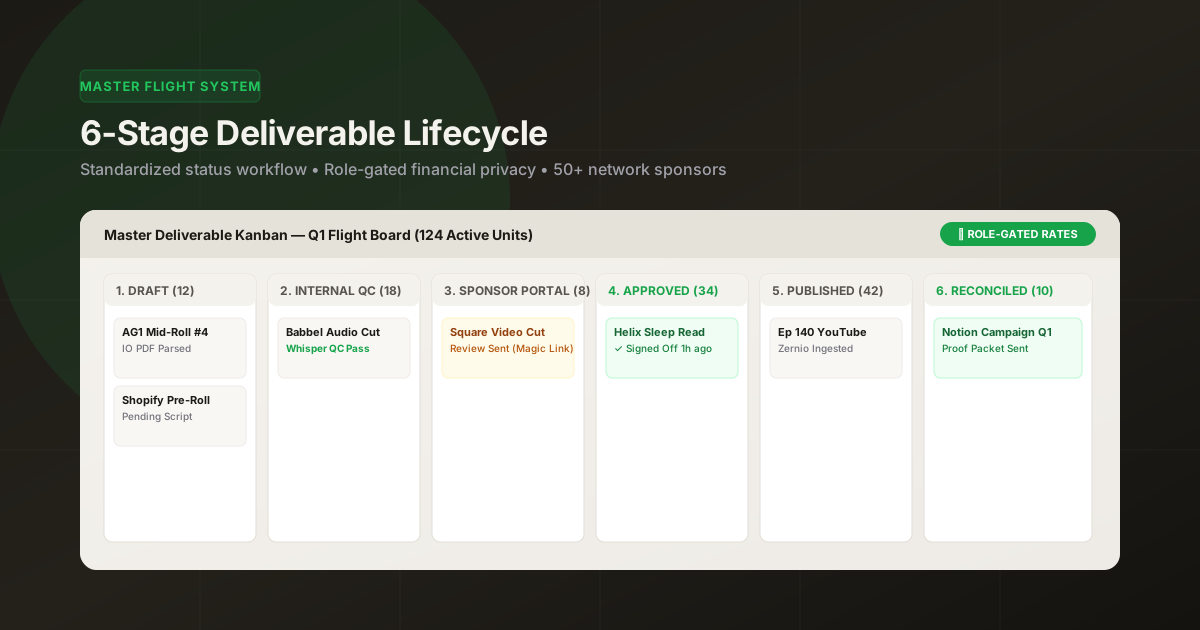
SponsorBridge enforces a rigid, standardized 6-stage lifecycle for every deliverable:
- 1. Draft: Deliverable record created via IO PDF extraction.
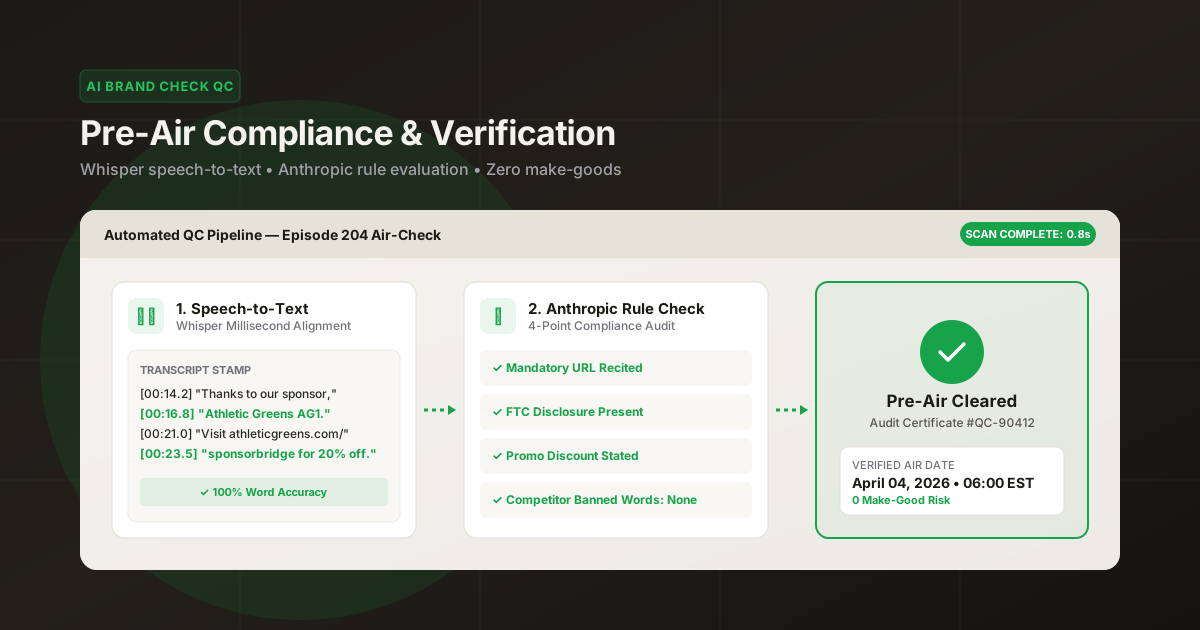
- 2. Internal Review: Ad read or script uploaded for producer clearance.
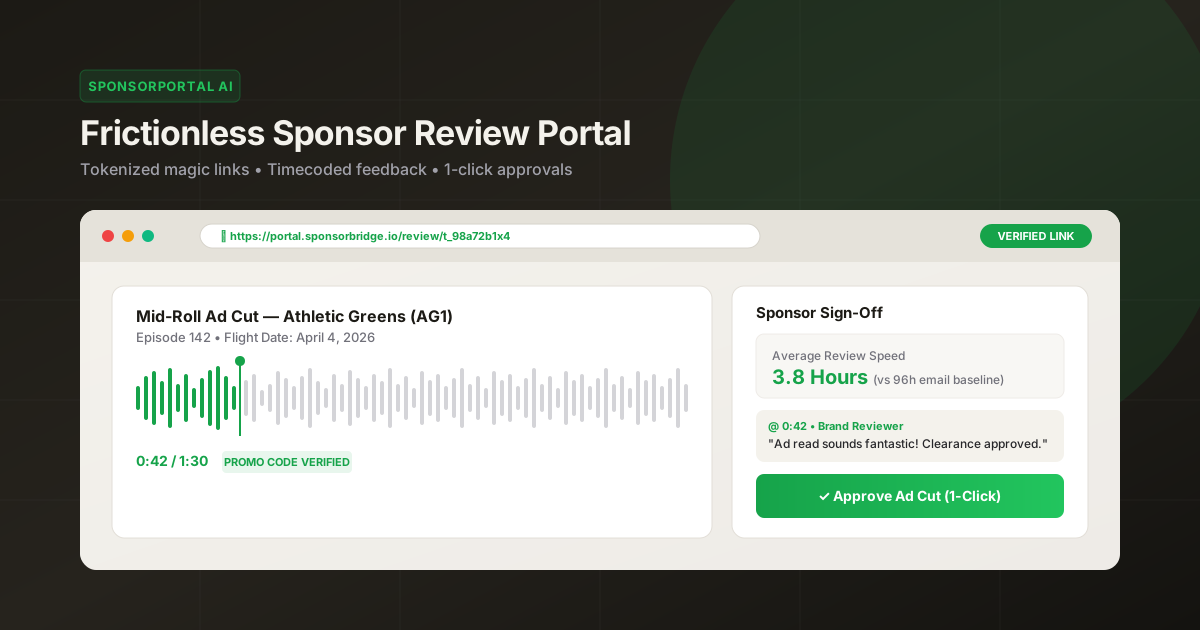
- 3. Sponsor Review: Passwordless magic link sent to sponsor for sign-off.
- 4. Approved: Sponsor reviewed and approved the cut.
- 5. Published: Episode live; post feed ingested via Zernio.
- 6. Reconciled: Impression target verified and proof packet delivered.
Role-gated financial visibility
Sponsorship contracts contain confidential financial terms: gross campaign totals, agency commission rates, net creator payouts, and CPM guarantees. Showing full contract values to every editor or guest producer creates privacy risks.
SponsorBridge implements server-side role gating. Producers see deliverable specs, script briefs, and lock dates, while financial rates remain strictly restricted to workspace administrators and sales leads.
Master Flight Kanban & Calendar views
SponsorBridge provides dual operational views tailored to different roles. Producers use the Master Kanban view to drag deliverables through production columns, while ad ops leads use the Flight Calendar view to monitor pacing across upcoming broadcast dates.
By standardizing deliverable management onto a single record, media networks eliminate make-goods, meet every lock date, and scale campaign capacity without increasing headcount.
Frequently asked questions
Key questions on standardizing network deliverable workflows:
Q: What are the 6 stages of the SponsorBridge deliverable lifecycle?
The 6 stages are: Draft (IO parsing), Internal Review (producer QC), Sponsor Review (magic-link portal), Approved (signed off), Published (live feed), and Reconciled (proof packet delivered).
Q: How does server-side role gating protect confidential contract rates?
SponsorBridge enforces data field masking at the API layer. Editors and external contractors see production briefs and lock dates, while net payouts and CPM rates remain visible only to admins.